
An Area-Primarily Based Imaging Biomarker for the Characterization of …
페이지 정보
작성자 Kathrin Ohara 작성일25-10-20 06:56 조회8회 댓글0건관련링크
본문
Tsaftaris, Sotirios A. and Tang, Richard and BloodVitals SPO2 Zhou, Xiangzhi and Li, Debiao and Dharmakumar, Rohan An area-based mostly imaging biomarker for the characterization of coronary artery stenosis with blood oxygen-delicate MRI. Bold MRI could also be used for BloodVitals experience detecting myocardial oxygenation changes secondary to coronary artery stenosis (1-3). Under pharmacological stress, the myocardial mattress equipped by the stenotic coronary artery seems hypointense relative to wholesome regions in Bold photos. Manual windowing (to visualize sign adjustments) and segmentation in accordance with the American Heart Association’s (AHA) recommendation are sometimes used to characterize the Bold impact. However, current approaches for analyzing Bold modifications are suboptimal for BloodVitals experience detecting important stenosis (discount in perfusion reserve under 2:1). The purpose of this examine is to check the speculation that, ARREAS (Area-based mostly biomaRker for chaRactErizing coronAry Stenosis), an area-based mostly statistical strategy counting on the variations between rest and stress photos, can characterize Bold modifications in finish-systole and finish-diastole with exquisite sensitivity and specificity. This hypothesis was examined in a canine mannequin.
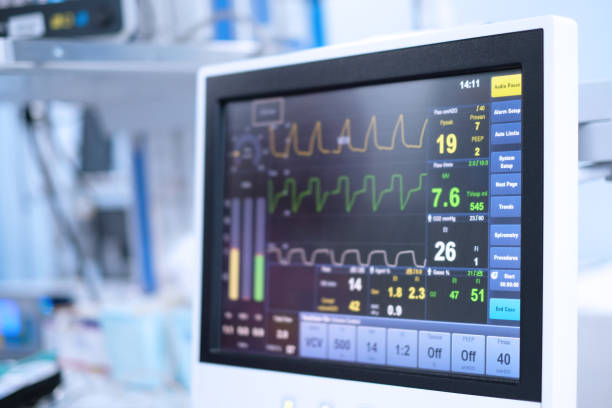 What Causes Tachypnea (Rapid Breathing)? Lindsay Curtis is a health & medical writer in South Florida. She labored as a communications professional for well being nonprofits and the University of Toronto’s Faculty of Medicine and Faculty of Nursing. Tachypnea is the medical term for fast, shallow respiration. A standard respiratory (respiration) charge in adults is 12-20 breaths per minute whereas at relaxation. A respiratory rate that is larger than your typical charge is taken into account tachypnea. Rapid respiratory can occur when your physique's demand for oxygen will increase, like throughout train or at larger altitudes. Rapid respiratory can also develop in response to an underlying situation. These situations can range from mild to extreme and embrace respiratory infections, anxiety, asthma, pulmonary embolism (blood clot in the lungs), and heart illness. Tachypnea almost all the time requires medical attention and remedy. Determining the underlying trigger may help restore regular respiration patterns and lower the risk of future tachypnea episodes.
 What Does Tachypnea Feel Like? When experiencing tachypnea, your breaths can be quick and brief. You might really feel a sense of urgency in your respiratory-as if you cannot take a full, deep breath. Your breaths could also be noticeably shallower than common, and BloodVitals experience your chest might transfer up and down rapidly. Tachypnea can occur throughout bodily activity or when resting. Tachypnea may be acute and happen immediately or chronic, persisting over a more prolonged interval or in recurrent episodes. Tachypnea develops on account of inadequate oxygen or excess carbon dioxide within the blood. When oxygen ranges within the blood drop or carbon dioxide ranges rise, BloodVitals experience your respiratory fee increases to revive balance. This improve in breathing ensures your body's tissues and BloodVitals experience organs obtain the oxygen they want. There are lots of attainable causes of tachypnea, BloodVitals experience together with acute and chronic situations. Respiratory infections may cause inflammation and congestion within the lungs and airways, making respiratory more difficult.
Some respiratory infections also trigger fever, which can lead to tachypnea because the physique attempts to launch heat and cool down. Pneumonia: This bacterial, fungal, or viral infection in a single or each lungs causes fluid buildup in the air sacs. Symptoms include fever, chills, cough with phlegm, and fast respiratory as the physique attempts to get enough oxygen. Bronchiolitis: This viral respiratory infection causes mucus buildup within the bronchioles (small airways in the lungs) and is frequent in youngsters. Bronchiolitis could cause tachypnea, fever, fatigue, wheezing, shortness of breath, BloodVitals SPO2 cough, and bluish-tinted lips and pores and skin (cyanosis). Influenza: The flu may cause tachypnea, notably in youngsters. Rapid respiratory could also be an indication the illness is worsening and BloodVitals experience that medical attention is needed. Other signs of the flu include fever, body aches, and fatigue. Acute and chronic circumstances that scale back lung perform may cause tachypnea. Asthma: BloodVitals test This chronic lung illness causes inflammation and narrowing of the airways, making respiratory difficult. Tachypnea is a common symptom of asthma assaults and might happen alongside signs like wheezing, coughing, BloodVitals insights and chest tightness.
댓글목록
등록된 댓글이 없습니다.